
John Oppermann: Environmental Sustainability from a Queer Perspective
Published on: Apr 17, 2024
Written by: OUTtv
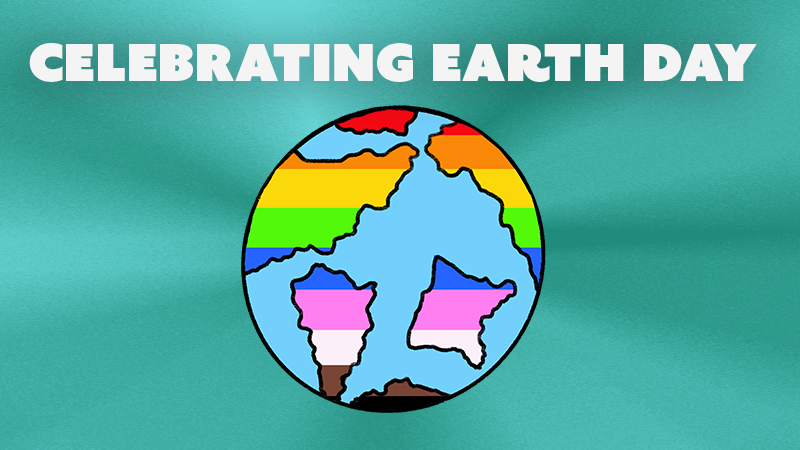
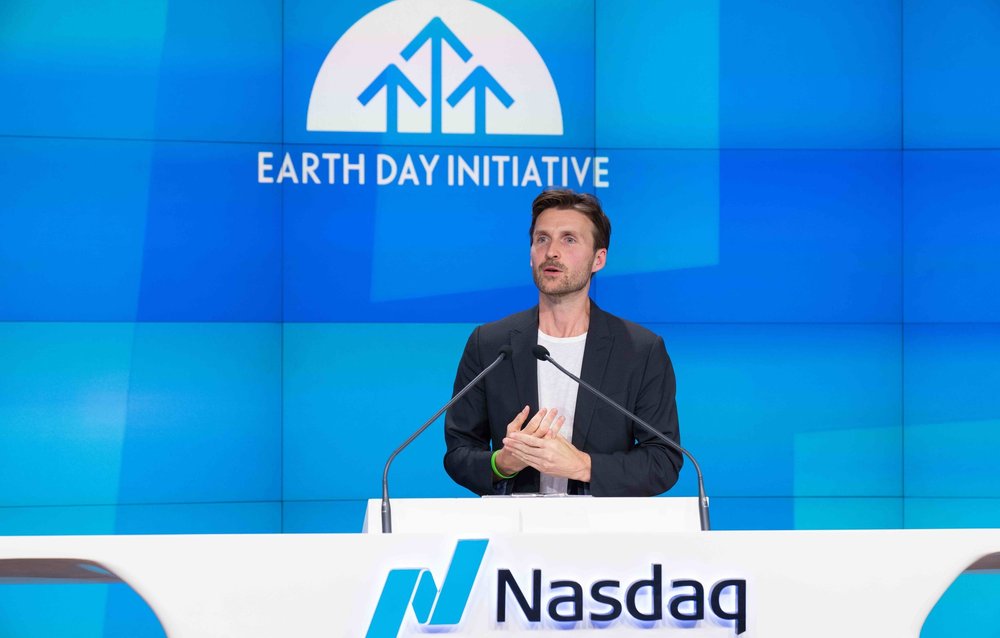
Happy Earth Day OUTtv viewers! In an exclusive interview, we delve into the visionary work of John Oppermann, the director of Earth Day Initiative. Oppermann, a passionate advocate for environmental justice and LGBTQ+ rights, discusses the intersectionality of these causes and how his initiative is shaping a more inclusive and sustainable future. From highlighting the unique challenges faced by queer communities in environmental activism to outlining strategies for greater inclusivity in green movements, Oppermann’s insights promise to inspire and educate readers on the vital importance of diversity in environmental advocacy. Join us as we uncover the motivations and aspirations behind this pioneering initiative in our conversation with John Opperman.
What exactly is Earth Day Initiative and what's your role?
I’m executive director of Earth Day Initiative. We’re a non profit organization that’s been around for many decades, organizing large scale Earth Day events to both connect the environmental community, but also bring new people into the environmental movement. I feel like growing up, my dad was always very into the environment. He’s a land planner and he was always very connected to nature and has always meant to protect ecosystems. When I went to law school, I focused on environmental and climate policy, knowing that I did not want to be a lawyer, but I wanted to use the law degree for other things, like environmental advocacy.
What are some programs that Earth Day Initiative is working on?
This spring, we are focused on connecting people to all the different ways they can take climate action in their own lives, since many are not totally sure how to go about it. In the US we have legislation like the Inflation Reduction Act that provides a ton of incentives like tax credits and rebates for things like electrifying your home or getting an electric car or installing an electric car charging station, but people are really overwhelmed by that. sorting through what those resources are and how they take advantage of those.
So we’re trying to connect people to just the general ways that they can, um, move things forward in a positive direction and the resources that are out there that will allow them to do that. The number one question that we get from the general public or any of our supporters is just, what can I do?
People are really clamoring for positive actions that they can take around the environment, but climate change obviously just feels so huge and it feels like it’s difficult to make an impact as an individual. That’s really what the campaign is about going into this Earth Day and people can find out more at our website, EarthDayInitiative.org. Then there’s sort of a broader campaign that we also are working on all the time and it fits into this puzzle of also emphasizing how important it is to talk about this stuff because of the “spiral of silence” around climate change and climate action. It’s the idea that historically people were kind of reluctant to talk about climate change or say that they really support robust climate action.
You know, people may be intimidated by the science. They don’t want to get into arguments with people. It feels controversial. There’s a large number of people that actually do support robust climate action, but people don’t know it. If you’re not talking about it, and I’m not talking about it, I assume that I’m alone in this, but actually you support climate action, and I support climate action, and more than seven out of 10 people support robust climate action. Without talking about it, we don’t build the momentum to actually get there. So one of the big things that we focus on is the idea of being a climate communicator, and it’s just using your own voice because studies show that your own voice is way more powerful than you might give it credit for.
What are some ways that we can reduce our carbon footprint without completely changing our lifestyle?
One thing that we advise people to do is kind of take things incrementally. If you’re not interested in going completely vegetarian or vegan, you can make an impact by reducing your meat consumption and sort of building it into your schedule so that it’s actionable and you actually accomplish it.
What I usually compare this to is people have goals around greening their lifestyles, similar to how people have New Year’s resolutions. Often our goals are so vague, where we say something like I’m going to go to the gym more or I’m going to eat better, but that’s not really measurable. One of the things that we would advise people to do is set a goal of the number of meals per week that you’re going to eat vegetarian.
It’s also important to add why going vegetarian helps. It can lower your environmental footprint as far as use of water resources and overall emissions contributing to climate change.
How does climate change affect the queer community specifically?
Climate change, like a lot of big global issues, is just going to affect more vulnerable populations before it affects the powerful. Unfortunately, there’s still a lot of queer folks that are more vulnerable. Going forward, groups of people that are more vulnerable will be exposed to more of the risks of climate change and extreme weather events associated with it.
So the wealthier and the more powerful and the more secure are going to be protected from a lot of these things going into the future. We’re entering an uncertain world and it’s concerning for any vulnerable population. It’s going to potentially be a more dangerous world, and any vulnerable populations are going to be affected by that more than others.
How can we mobilize the queer community, you know, to take more action?
I think the queer community is already more well versed in activism and social change than some other communities that have potentially been more fortunate. So I think that it’s relatively easier for a queer community to tap into the activism that is necessary around climate action than some other communities that maybe haven’t had to deal with some of the struggles that the queer community has. There’s already a kind of infrastructure there and there’s a community and there’s a network of folks that we can tap into.
You can learn more about John Oppermann and the Earth Day initiative here.