
Mark Kenneth Woods on Pride Season 6: The Final Episodes
Published on: Jun 25, 2026
Written by: Joey Hodgson
After six seasons, Pride: The LGBTQ+ History Series is coming to a close, with its final episode dropping July 1st. Creator Mark Kenneth Woods sat down with OUTtv to talk about why now felt like the right time to wrap, the stories that stuck with him most, and what’s next after eight years on the road.
It's bittersweet that the show is ending. How does it feel knowing this is the final season?
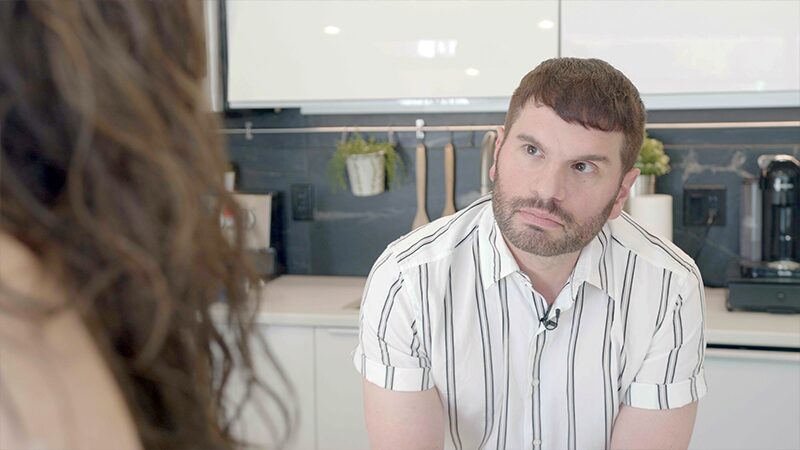
It’s bittersweet, but it was my choice, so that’s good. It wasn’t forced on me. It’s just a lot of work and a lot of travel, and I’m constantly away. Scheduling is also really hard because a lot of Prides happen on the same weekend around Stonewall at the end of June, so we can’t film six episodes at once. We have to rely on Prides happening throughout the rest of the year, and we’re running out. Scheduling was especially difficult this season. We cancelled three different shoots, then the whole US tariff situation came up, and we cancelled a bunch of US episodes we had planned. As Canadians, we don’t really want to spend money in the US right now. But the LGBTQ+ community in the US was really hurting, especially in smaller towns, so we decided to go anyway and showcase those stories. That’s how we ended up in Portland and Tulsa this season.
What was your biggest takeaway from filming in those two cities?
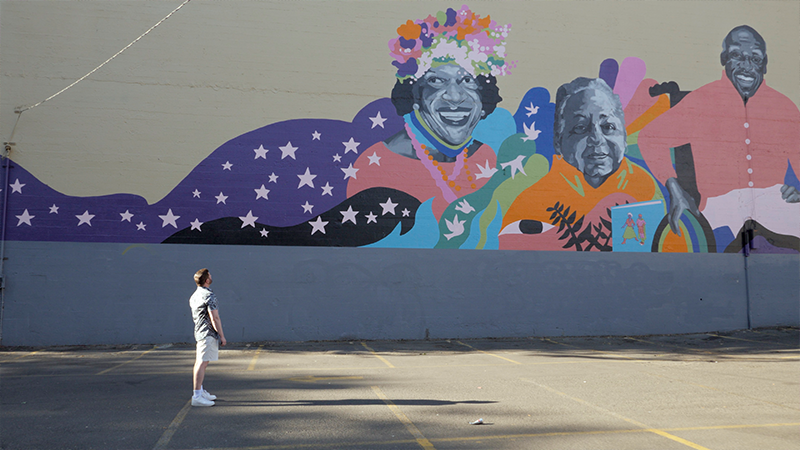
A lot of the point of the show, from the very beginning, was to go beyond Stonewall. It started as a six-part special commemorating the 50th anniversary of Stonewall and the 50th anniversary of the partial decriminalization of homosexuality in Canada, which happened to land the same year. Stonewall was obviously a pivotal moment, but there was so much happening before it and after it, and that part doesn’t get talked about enough. It’s also not just a New York and San Francisco story, it’s international. Tulsa surprised me. It’s the second largest city in Oklahoma, around 600,000 people, very arts focused, and there’s tons of queer history there that most people would never expect. Queer people actually helped shape the look of the city. A lot of its famous art deco architecture was designed by queer architects. I should know better by now, but I still go into cities thinking I won’t find much queer history, and I always do.
Was there a place you wanted to film this season but couldn't make happen?
Athens. I wanted to dig into ancient queer history there, especially around the Greek gods, but it’s a complicated topic because the dynamics of that era were so different from how we’d talk about relationships today. It’s a bit contentious, and nobody in Athens wanted to go on record about it. They’ve kind of swept it under the rug, and that’s true in a lot of places, not just Athens. If we don’t have people willing to talk to us, we can’t tell the story. Sometimes that’s especially true in countries where speaking out can actually be dangerous for people, and we understand and respect that, even when it means we have to pivot.
For someone who's never seen the series, which episode would you point them to first?
We won a couple of awards for our Manchester episode, so that one’s probably a good entry point. Instead of going to Pride, we went to Sparkle Weekend, a gender festival celebrating non-binary and gender fluid people, which gave us a different kind of celebration to capture. Manchester also has so much history, including ties to Alan Turing. As far as experiences go, Johannesburg stands out too. Going to Pride in Africa was such a unique experience. And from this season, the Edinburgh episode is free to watch right now, and it gets into the story of a former king with multiple male lovers, which is a pretty fascinating piece of history on its own.
How do you approach vetting these stories and making sure you're doing right by the communities you're covering?
If the story is about someone living today, it’s their story, so they have control over what they share. If it’s about someone from centuries ago, we look for academics, tour guides, or researchers who really know the history, and we double check everything. We take a journalistic approach across the board, which means we don’t candy coat anything. Not every queer figure in history was a good person. James I of Scotland and England, who we cover in the Edinburgh episode, is a good example. He got married and had children, which was expected of a monarch, so we’re careful not to assign a sexuality to him that he never claimed himself, especially since those words didn’t even exist back then. But he also ordered women burned at the stake during witch hunts. We don’t shy away from that. It’s part of the history, and not everyone in it has to be admirable for it to matter.
Were there any stories that challenged the version of history most people think they know?
Stonewall, for sure. The popular version of that story isn’t really accurate. From the research out there, there’s no real evidence anyone was carrying bricks, and practically, where would you even get bricks from in the moment? It was a spontaneous fight back, not something people planned out. That episode was tough because everyone feels like they already know the story, and once people believe something, challenging it gets complicated. Everyone carries a bit of bias toward the version they already believe. We just try to tell the truth as best we understand it through the research.
Looking back across six seasons, has anything changed how you personally think about queer history?
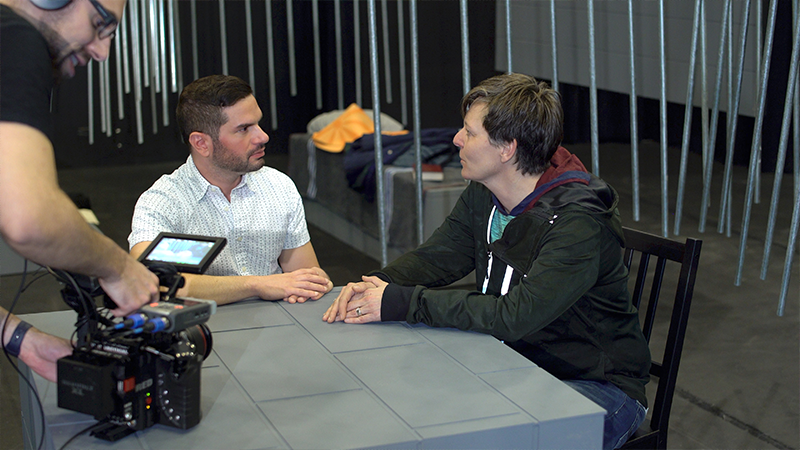
I think, like a lot of people, I naively assumed Stonewall was the beginning. I always knew there was history before it, but every season we make, I learn more and realize Stonewall is really just one moment in a much longer timeline. The throughline for me has been that queer people have existed everywhere, at every point in history. Sometimes it just isn’t documented. Our Australian episodes are a good example. There’s almost no recorded history of same sex relationships or different gender identities among Aboriginal communities prior to colonization, so there are real gaps. But outside of cases like that, I’ve been amazed by how much history is out there once you start looking. To be clear, words like homosexual, queer, and trans are relatively new, only around the last 150 years or so, so we’re careful not to retroactively label historical figures. James I had multiple male lovers, but we let the facts speak for themselves rather than assigning him a label he never used.
What's next for you after the show wraps?
A bit of a break, though I can’t fully stop. I’m working on a documentary about Mink Stole, who’s known for being in every John Waters film and working alongside Divine, and Peaches Christ, a celebrated drag queen from San Francisco. The two of them have been touring a live show called Idol Worship, where they interview each other about their lives and careers, with Peaches paying tribute to Mink as her idol. We’ve been following them on tour, including a recent shoot in London, and we’re putting together a documentary version of the show with a lot of additional material. After eight years on the road for Pride, I am looking forward to a quieter summer before getting back into the edit this fall.
The final episode of Pride: The LGBTQ+ History Series Season 6 drops July 1st on OUTtv.